

The Most Famous Border in Britain
There are very few places in the British Isles as immediately recognisable by name as Gretna Green.
This small village on the Scottish side of the England-Scotland border, just a handful of kilometres north of Carlisle, has been one of the most celebrated romantic destinations in the world for over 250 years, drawing runaway lovers, newlyweds, and curious visitors from across Britain and around the globe to its famous blacksmith’s shop where, by Scottish law, couples could be — and still can be — married over the anvil.
The name Gretna Green is synonymous with romantic elopement, sudden passion, and the triumph of love over parental objection, and the reality of the place, while more polished and visitor-ready than the windswept Border crossing of romantic legend, retains a genuine warmth and charm that makes it a thoroughly enjoyable and surprisingly interesting destination.
The History of the Runaway Marriages
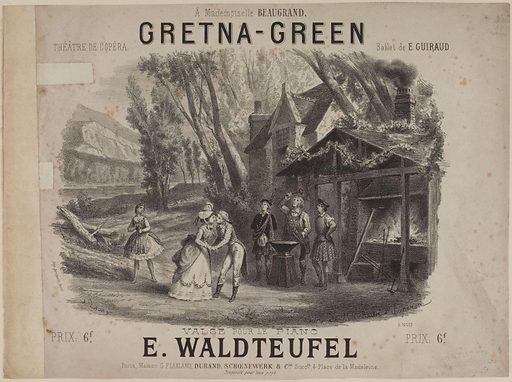
The story of Gretna Green’s romantic fame begins in 1753, when the Marriage Act came into force in England and Wales, requiring parental consent for marriage for anyone under the age of 21.
Scotland, operating under its own distinct legal system, had no such requirement — a young couple could marry legally in Scotland simply by declaring their intention before two witnesses, with no need for banns, licence, or church involvement.
Gretna Green, as the first settlement across the Scottish border on the main coaching road from London to Edinburgh, became the natural destination for English couples fleeing parental disapproval.
The local blacksmith, whose smithy was conveniently situated beside the main road, began officiating at these marriages — and the legend of the Gretna Green blacksmith was born.
Over the following century and more, thousands of couples made the journey north to be married over the famous anvil, including, most famously, the novelist and social reformer Robert Owen and the future Duke of Manchester.
The Famous Blacksmiths Shop
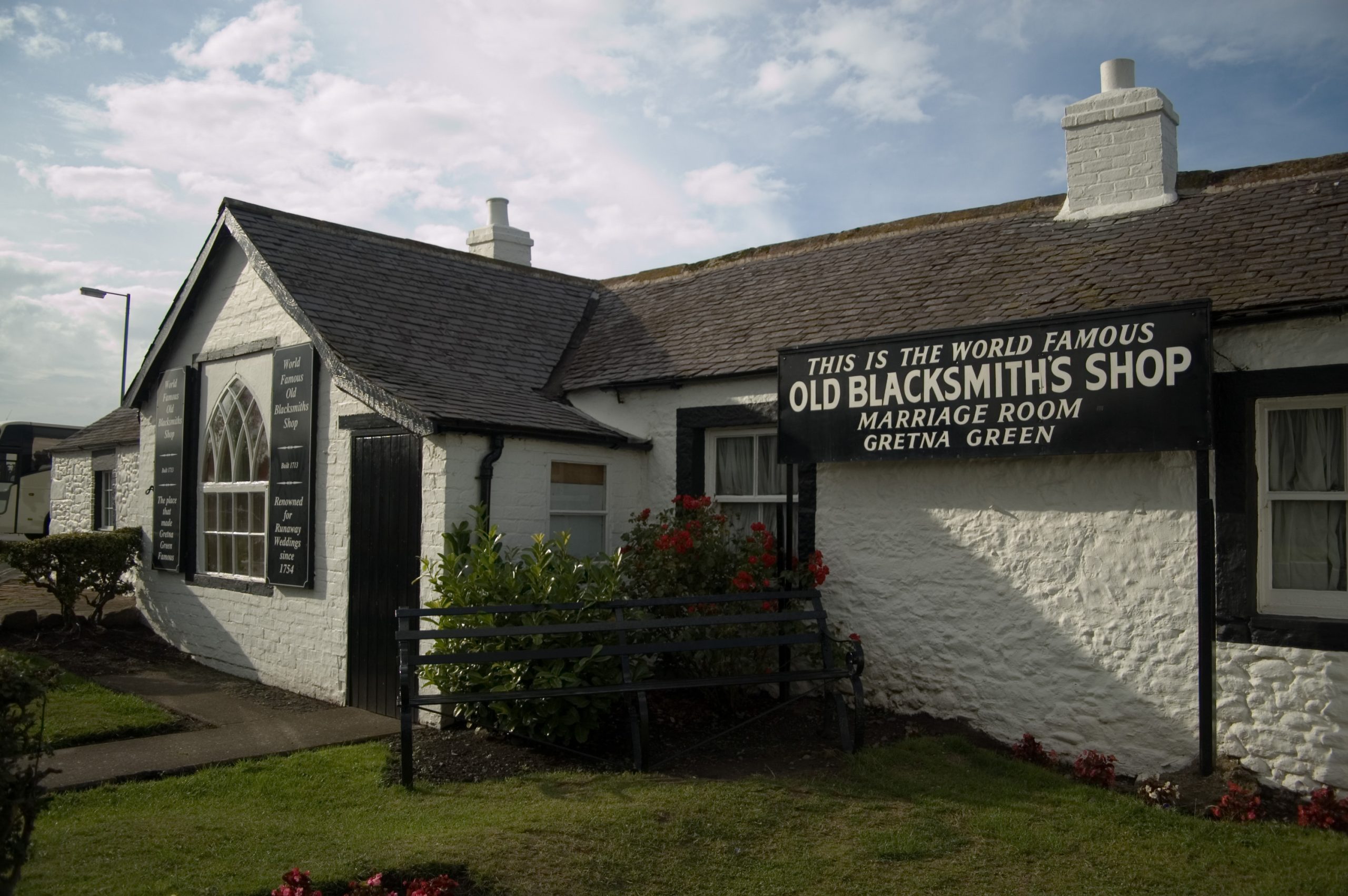
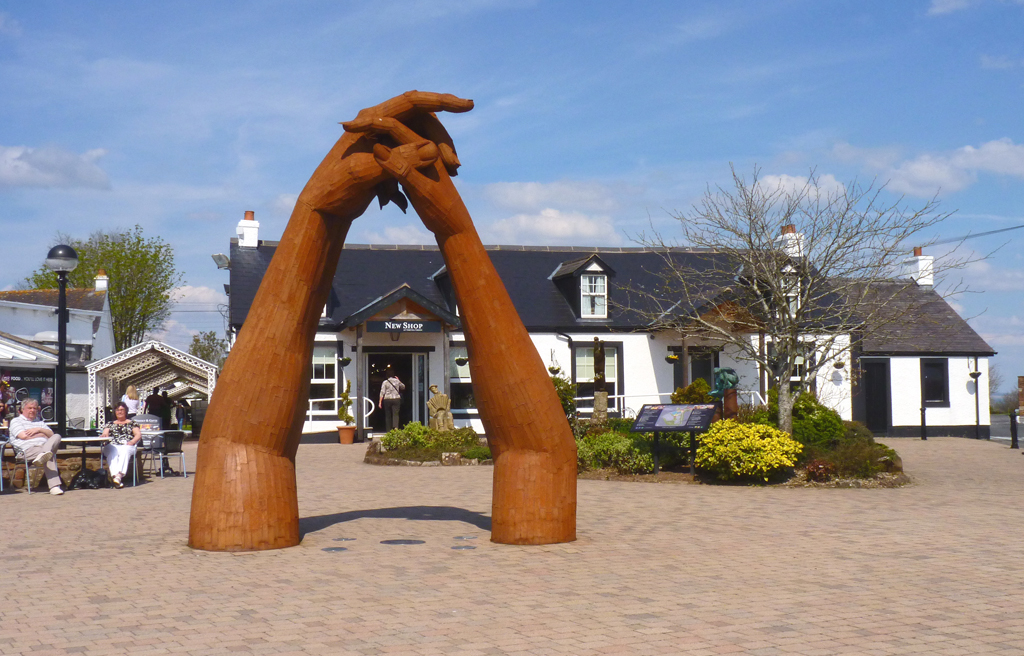
The original blacksmith’s shop at the heart of Gretna Green has been significantly developed into a substantial visitor attraction, but at its core it retains the historic building and the famous anvil over which so many couples have been married.
The Gretna Green Famous Blacksmiths Shop is now a complex of shops, a museum, restaurants, and a hotel arranged around the original forge, and it welcomes hundreds of thousands of visitors each year.
The museum tells the story of the runaway marriages with considerable skill and genuine affection, using period artefacts, personal accounts, and audio-visual displays to bring the romantic history of the place to life.
The anvil itself remains at the centre of the complex and continues to serve as the focus for weddings — Gretna Green is today one of the most popular wedding destinations in the UK, with thousands of couples choosing to marry here every year, drawn by the romance of the setting and the unique symbolism of the anvil ceremony.
The Village of Gretna Green
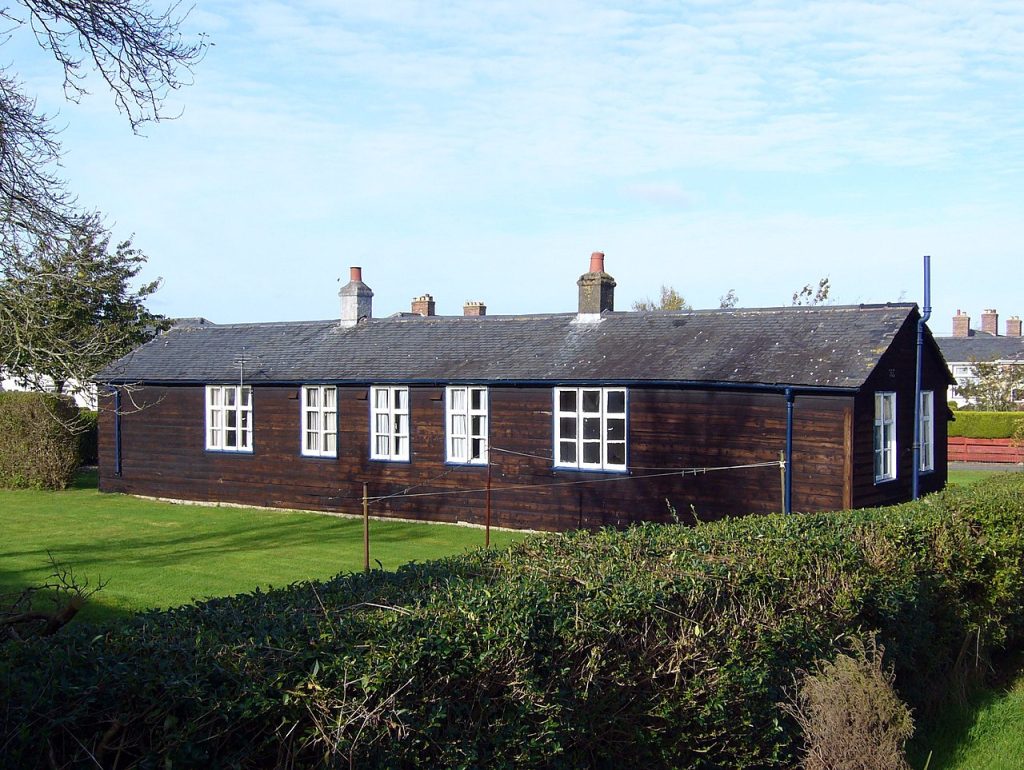
Beyond the Famous Blacksmiths Shop complex, the village of Gretna Green itself is a quiet and pleasant settlement that is worth a brief explore on foot.
The village is separate from the neighbouring town of Gretna — which is itself a somewhat unusual place, having been purpose-built during the First World War to house the workers of the enormous HM Factory Gretna, the largest munitions factory ever built and the site of the notorious Quintinshill rail disaster of 1915, the deadliest railway accident in British history.
The story of the factory and the disaster is told at the Devil’s Porridge Museum in Eastriggs, a short drive west, which is one of the most compelling and undervisited local history museums in Scotland.
The combination of Gretna Green’s romantic associations and Eastriggs’s extraordinary wartime history gives this corner of the border country a much greater depth of interest than its modest appearance might initially suggest.
The Solway Coast and the Border Landscape
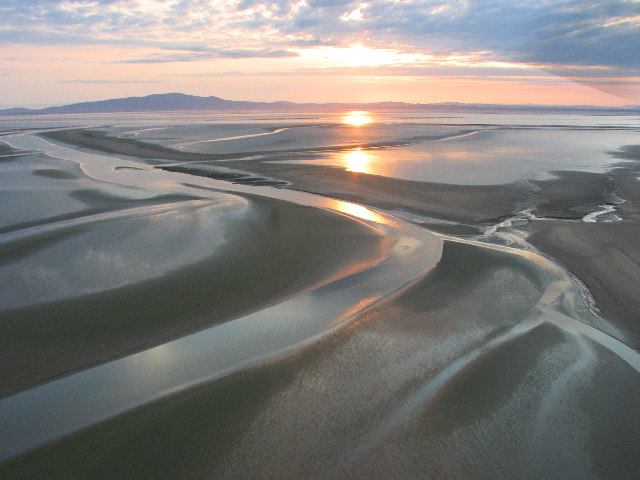
Gretna sits at the eastern end of the Solway Firth, one of Scotland’s most distinctive and ecologically rich coastal landscapes.
The vast tidal mudflats and saltmarshes of the Solway are an internationally important habitat for wintering wildfowl, and the views from the Scottish shore across the firth to the mountains of the Lake District — which are strikingly visible from the A75 road west of Gretna on a clear day — are genuinely spectacular.
The Caerlaverock National Nature Reserve, about 20 kilometres west of Gretna, is one of the best places in the UK to observe wild barnacle geese, which winter here in their thousands from their Svalbard breeding grounds.
The reserve’s visitor centre and observation hides are open throughout the winter season and provide an outstanding wildlife experience that is one of Dumfries and Galloway’s best-kept secrets.
Gretna as a Gateway to Scotland
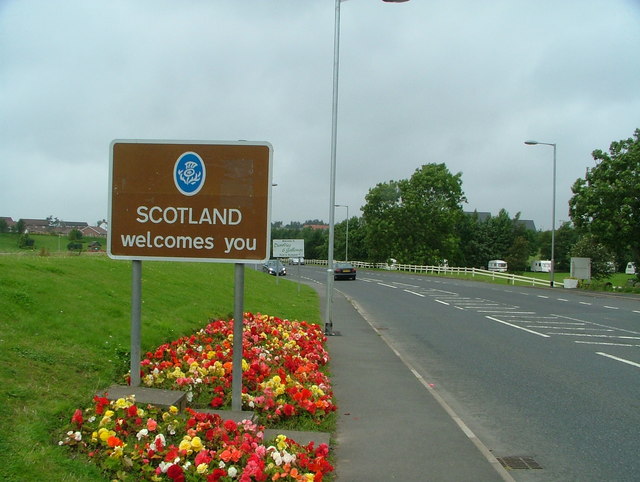
For the majority of visitors arriving in Scotland by road or rail from England, Gretna is the first Scottish settlement they encounter, and it serves an important practical role as a gateway and orientation point for visitors to the country.
The Gretna Gateway Outlet Village, just off the M74 motorway, is one of the largest outlet shopping centres in Scotland and draws considerable numbers of cross-border shoppers.
But Gretna is also an excellent entry point for those wishing to explore the broader riches of Dumfries and Galloway — the region’s outstanding heritage sites, beautiful landscapes, and charming small towns are all easily accessible from here, and the A75 road heading west provides a comfortable and well-serviced route into the heart of one of Scotland’s most underrated and rewarding regions.
Visiting Gretna Green
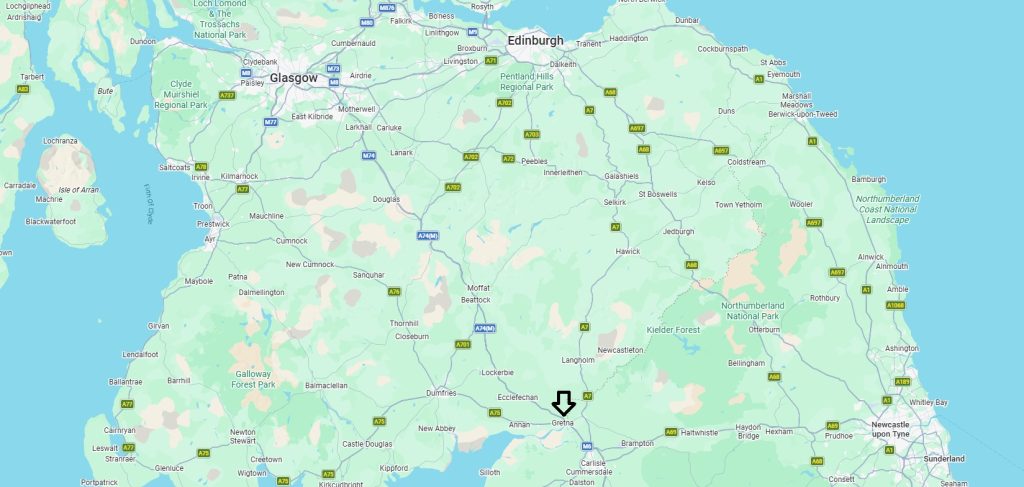
Gretna Green is located just off the M74 and A74(M) motorway, making it one of the most accessible destinations in Scotland by road.
The journey from Carlisle takes around 10 minutes, and from Glasgow around an hour and a half.
Gretna railway station has regular services from both Carlisle and Glasgow, making it one of the few smaller Scottish settlements with genuinely good public transport connections.
The Famous Blacksmiths Shop complex is open year-round and has ample parking, along with a comprehensive range of shops selling Scottish gifts, food, and souvenirs.
If you are planning a wedding at Gretna Green, it is advisable to contact the venue well in advance, as dates fill up quickly, particularly in spring and summer.
For day visitors, a couple of hours is sufficient to take in the museum, the anvil ceremony viewing area, and the surrounding shops.