

A Castle Fit for Royalty
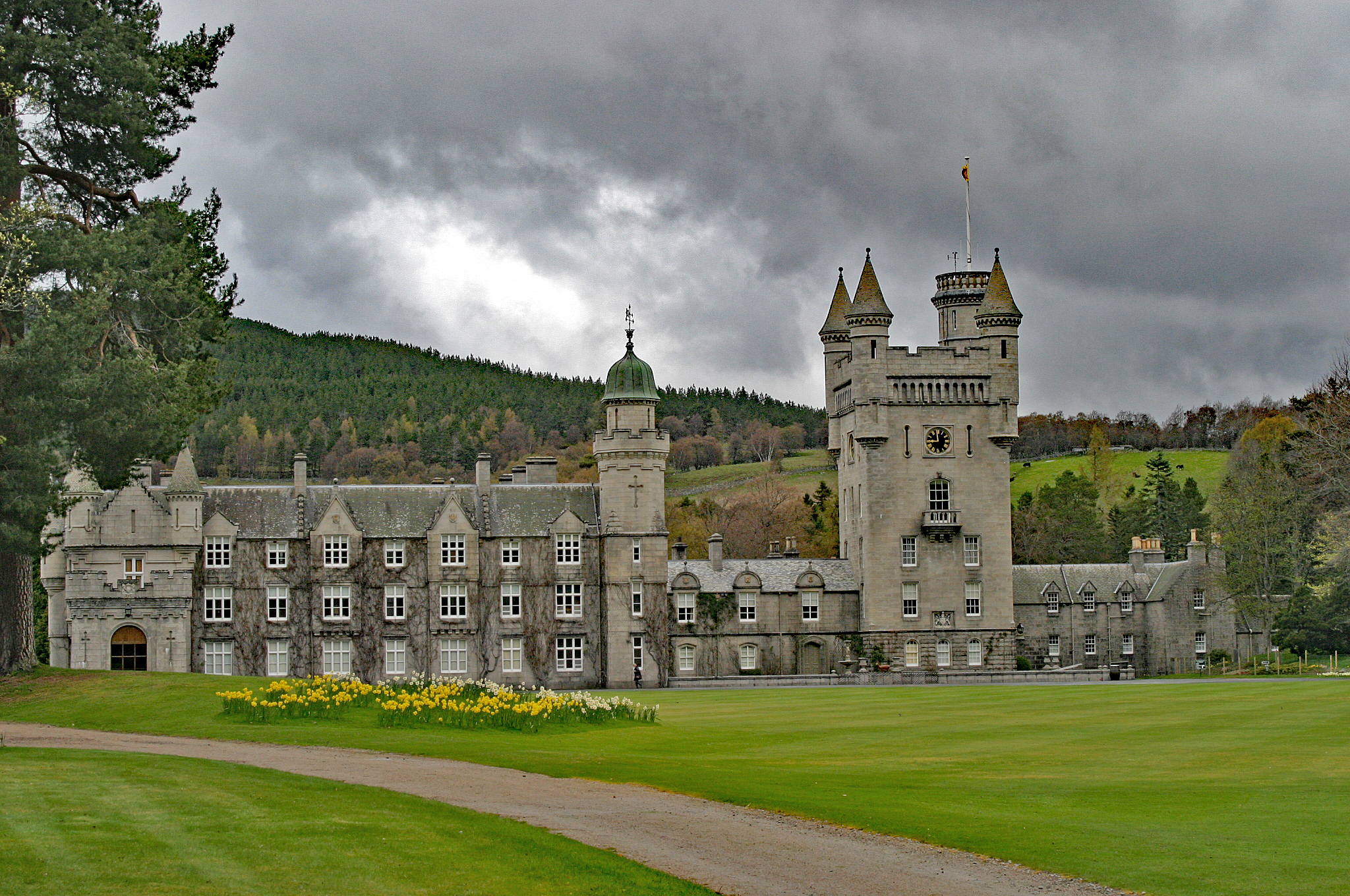
Nestled in the heart of Royal Deeside, Balmoral Castle is one of Scotland’s most iconic and beloved landmarks.
Set against a dramatic backdrop of heather-covered moorland and the sweeping peaks of the Cairngorms, this magnificent baronial estate has served as the Scottish residence of the British Royal Family since the mid-19th century.
Even if you’ve seen it a hundred times in photographs, nothing quite prepares you for the first glimpse of its fairy-tale turrets rising above the River Dee. Whether you’re a royal enthusiast, a history buff, or simply someone who appreciates spectacular scenery, a visit to Balmoral is one of those rare experiences that genuinely lives up to the hype.
A Brief History
The story of Balmoral begins long before the Royals arrived. The estate’s name is believed to derive from the Scottish Gaelic meaning “majestic dwelling,” and records of a fortified house here stretch back to the 14th century.
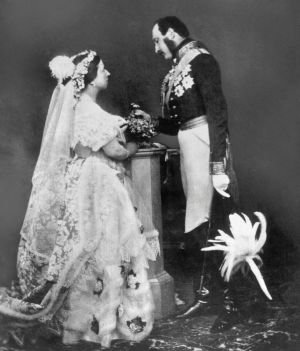
However, the Balmoral we know today was largely the creation of Queen Victoria and Prince Albert. After first leasing the estate in 1848, the couple fell deeply in love with the Scottish Highlands — with Albert in particular enchanted by its resemblance to the landscapes of his native Germany.
The original castle was deemed too small for the growing Royal household, and between 1853 and 1856, a new and grander building was constructed in the Scottish Baronial style, designed by architect William Smith.
Queen Victoria reportedly called it “my dear paradise in the Highlands,” and every generation of the Royal Family since has returned each summer.
The Architecture
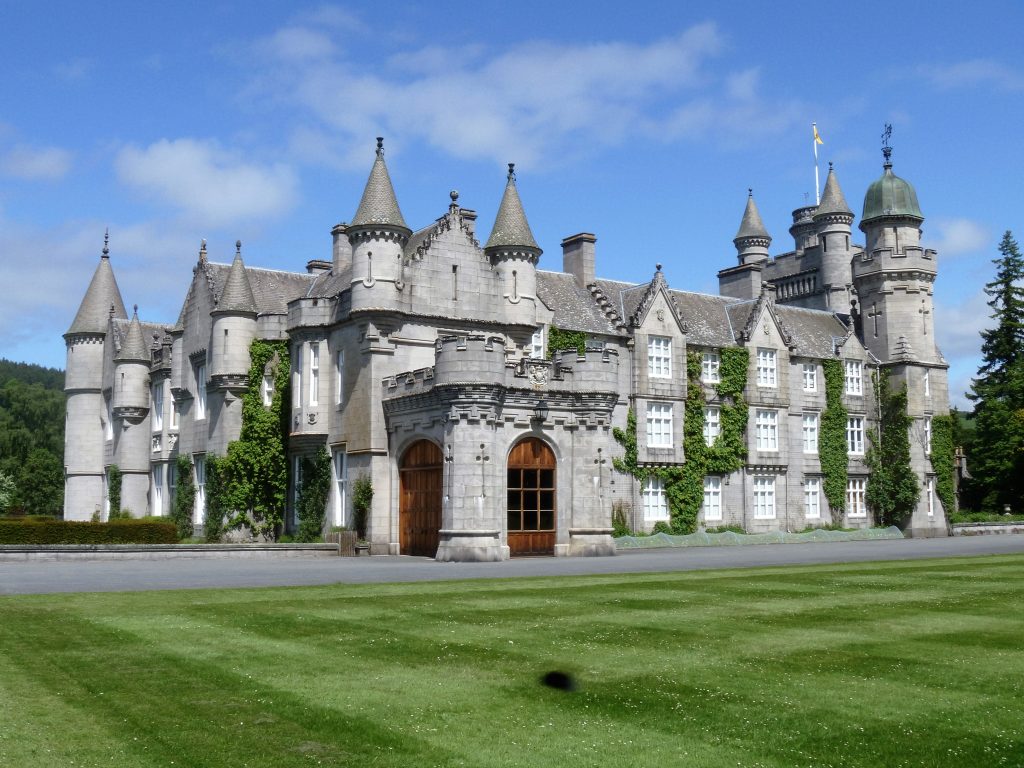
Standing before Balmoral, it’s easy to understand why Prince Albert was so taken with the project. The castle is a stunning example of Scottish Baronial architecture — a grand, romantic style characterised by its towers, turrets, corbelling, and generous use of local white granite, which gives the building a gleaming, almost otherworldly quality in the Highland sunshine.
The main tower rises to nearly 30 metres, and the whole structure is arranged around a central courtyard that adds a sense of enclosure and intimacy. The castle was deliberately designed to look as though it had grown organically from the Scottish landscape rather than been imposed upon it, and that ambition has been thoroughly achieved.
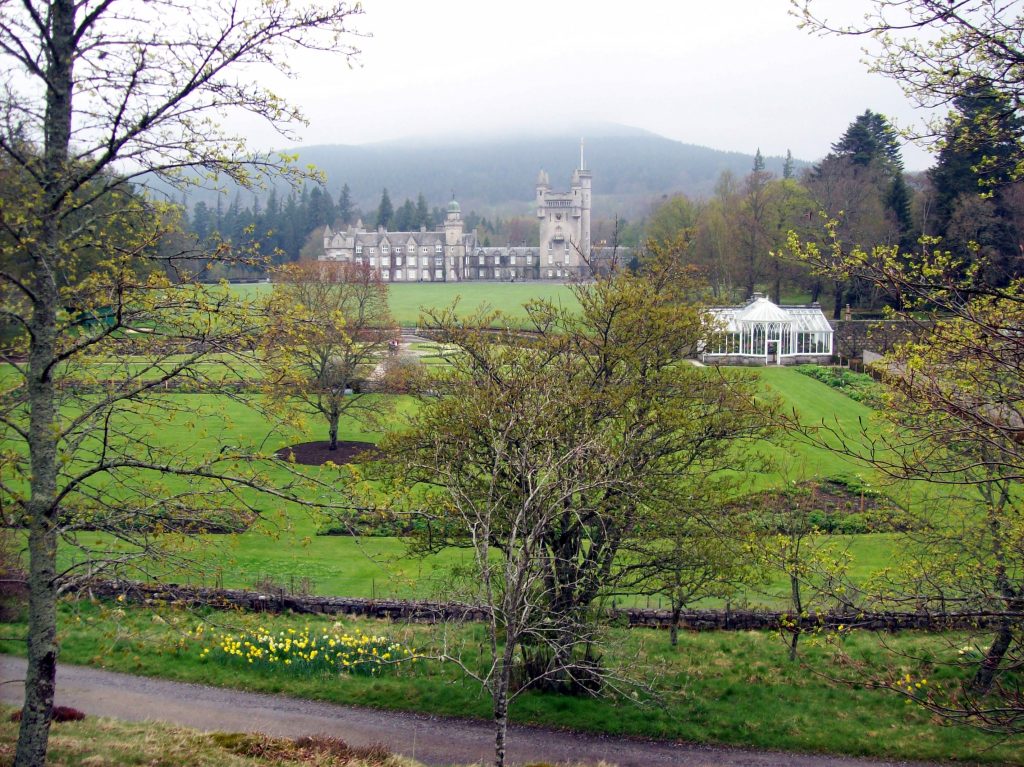
The grounds, covering over 20,000 hectares, include formal gardens, woodlands, and open moorland that stretch as far as the eye can see.
What to See and Do
Visitors to Balmoral are welcomed each year between April and July, while the Royal Family is not in residence. The castle’s Ballroom is the principal room open to the public and is used to display a rotating selection of art, china, and historical artefacts from the Royal Collection.
It’s a genuinely impressive space, and the exhibits change regularly, meaning repeat visitors are often rewarded with something new. Beyond the castle walls, the formal gardens are a delight at any time during the open season, with immaculately maintained flowerbeds, walled enclosures, and peaceful walking paths.
The estate also offers a range of outdoor activities including pony trekking, Land Rover safaris, guided walks, and cycling trails. There’s even a charming café and gift shop where you can pick up local produce and souvenirs.
The Royal Connection
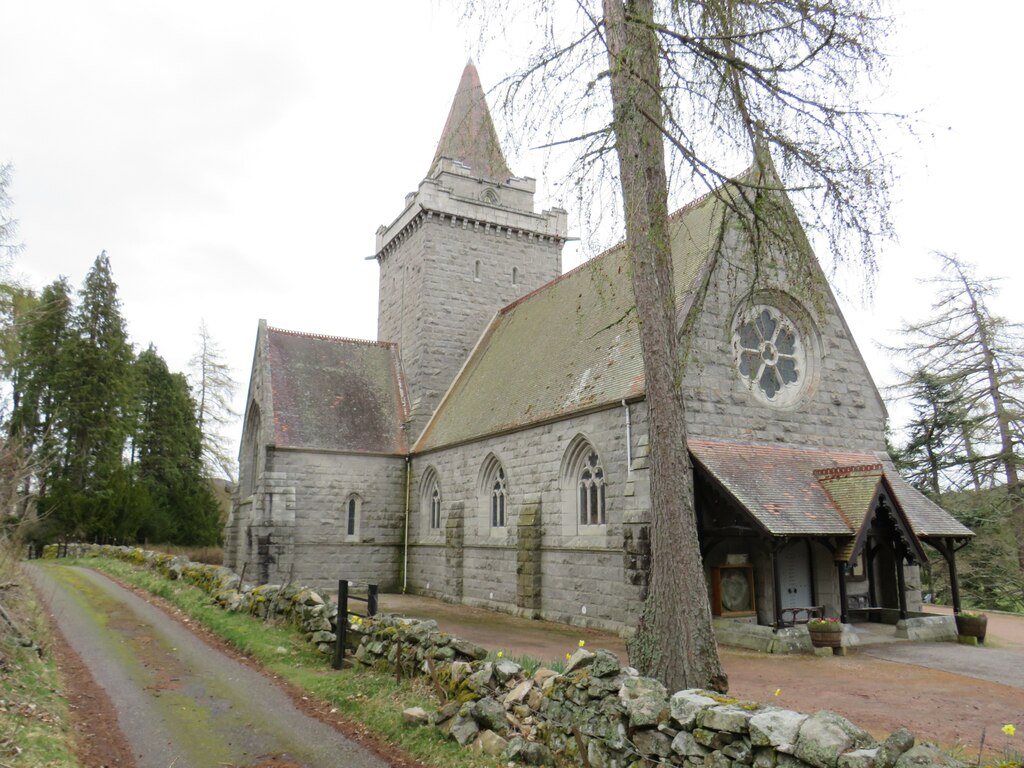
Part of Balmoral’s enduring appeal lies in its intimate association with the British Royal Family. This is not a castle that has been frozen in time as a museum piece — it remains a living, working royal estate that is genuinely loved and used by the family that owns it.
The late Queen Elizabeth II was particularly devoted to Balmoral, spending several weeks here every summer and finding it a place of genuine refuge and relaxation.
The surrounding area, including the nearby village of Crathie and its charming church (pictured) where the Royals attend Sunday services, gives the whole region a warm, community feel that is surprisingly accessible for visitors.
Getting There and Practical Tips
Balmoral is located near the village of Crathie on the A93 road, about 13 kilometres west of Ballater and 80 kilometres west of Aberdeen. By car from Aberdeen, the drive takes around an hour and passes through some of Scotland’s most beautiful scenery.
The nearest train station is at Ballater, from which you can take a bus or taxi to the estate. If you’re planning a visit, it’s well worth checking the official Balmoral website for seasonal opening hours and advance ticket booking, as the estate can be popular in summer.
Wrap up warm and wear comfortable shoes — the grounds are vast and the Highland weather can change quickly. A full visit, taking in the castle, gardens, and a walk in the estate grounds, makes for a thoroughly rewarding day out.
The Surrounding Area
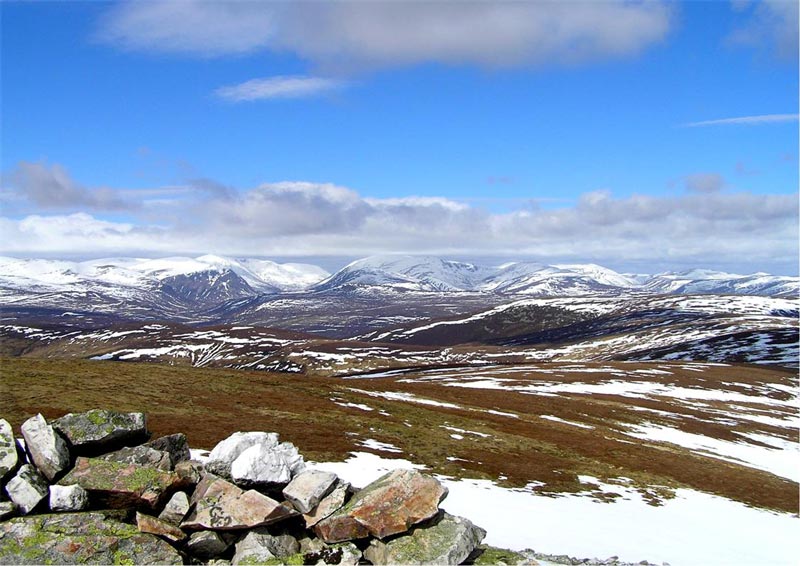
One of the great pleasures of visiting Balmoral is that it sits at the heart of an area of outstanding natural beauty. Royal Deeside, as this stretch of the River Dee valley is known, is peppered with charming villages, excellent local restaurants, and an abundance of outdoor activities.
The town of Ballater is well worth a stop for lunch, with a good selection of independent shops and cafés that reflect the area’s royal connections with good-humoured pride.
For those with more time to spare, the nearby Cairngorms National Park (pictured) — the largest national park in the United Kingdom — offers world-class hiking, wildlife watching, and some of the most breathtaking landscapes you’ll find anywhere in Europe. Red squirrels, red deer, ospreys, and even the occasional golden eagle can be spotted by patient visitors.
A stay of two or three nights in the area allows you to appreciate Balmoral not just as a destination in itself, but as a gateway to the magnificent Scottish Highlands.