

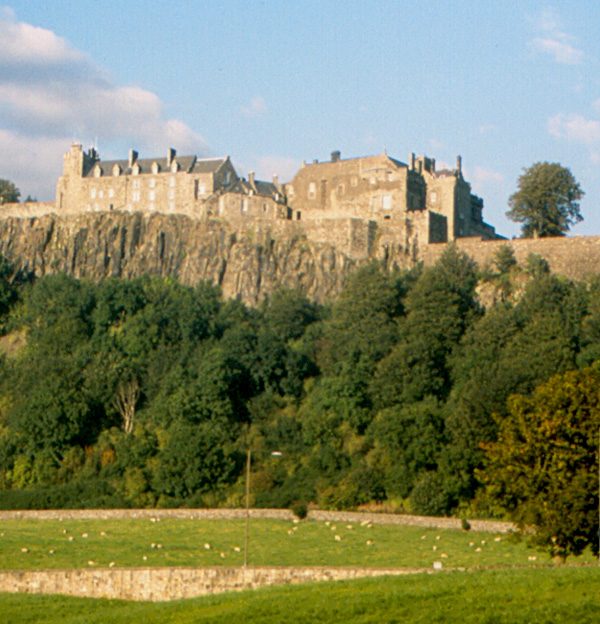
The Most Iconic View in Scotland
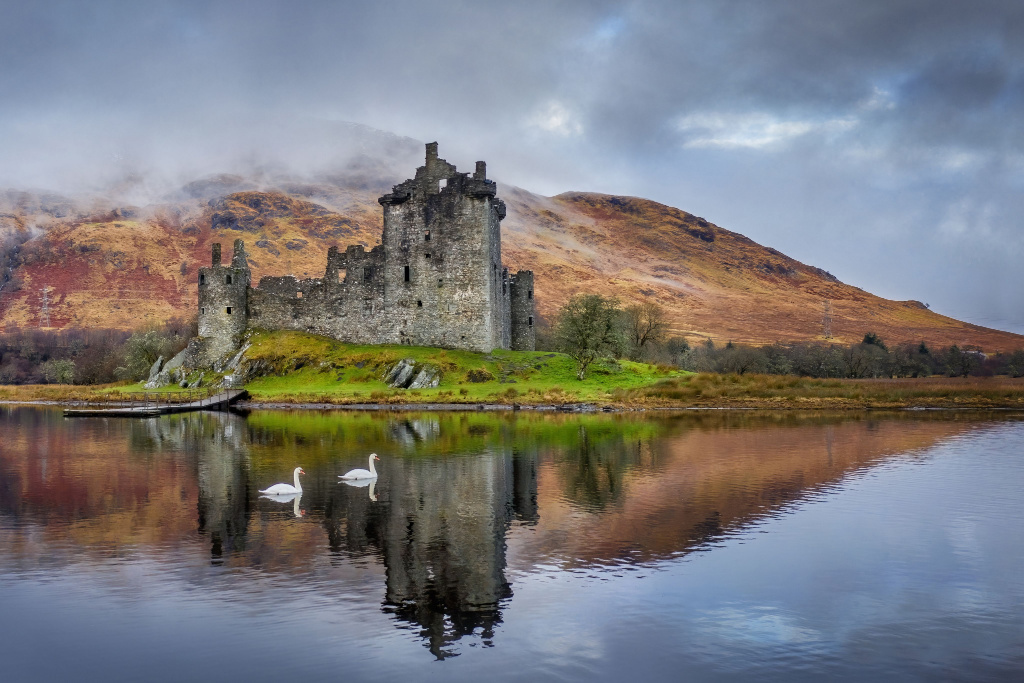
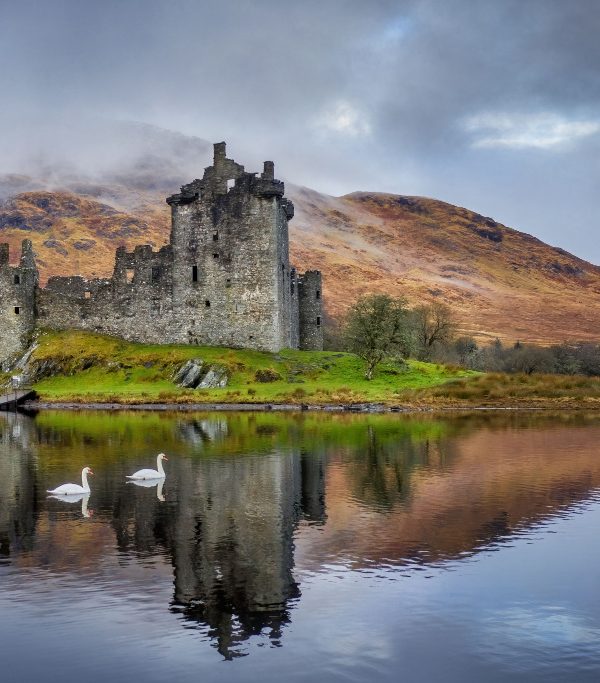
There is a photograph that appears on more Scottish postcards, calendars, and chocolate boxes than any other: a small stone castle on a tidal island, reflected in still loch water, with mountains rising into mist behind it. That castle is Eilean Donan, and the real thing is every bit as spectacular as the image. Situated at the point where three great sea lochs meet — Loch Duich, Loch Long, and Loch Alsh — in the western Highlands of Scotland, Eilean Donan occupies one of the most dramatic natural settings on earth. It is connected to the mainland by a graceful stone arched bridge, and the whole composition — castle, bridge, water, mountain — is of a pictorial perfection that seems almost too good to be true. Visiting Eilean Donan for the first time feels like stepping inside a postcard, and somehow the reality manages to exceed even the highest expectations.
A History of Fortress and Ruin
The history of Eilean Donan is as dramatic as its setting. A fortification of some kind has stood on the island since at least the 13th century, when the castle served as a defensive stronghold for the MacKenzie clan and their allies the MacRaes. Over the following centuries it was besieged, altered, partially demolished, and at one point almost entirely destroyed. The most decisive moment in the castle’s history came in 1719, when it was garrisoned by Spanish troops supporting a Jacobite rising. A British government warship bombarded the castle over several days, reducing much of it to rubble. For almost 200 years it remained a ruin, a romantic fragment on its lochside island.
The Reconstruction
The story of Eilean Donan’s reconstruction is one of the most extraordinary in Scottish heritage. Colonel MacRae-Gilstrap purchased the ruins in 1911 and, guided by visions reportedly experienced by the castle’s future foreman of works, Farquhar MacRae, set about rebuilding Eilean Donan to a plan he believed reflected its ancient form. Over 20 years and using traditional materials and methods where possible, the project produced the castle as we know it today. The reconstruction has been criticised by some architectural historians for its interpretive liberties, but the result is undeniably beautiful and has become perhaps the most recognisable historic building in Scotland. The castle was completed in 1932 and opened to the public, and it has been drawing visitors in their hundreds of thousands ever since.
Exploring the Castle
A visit to Eilean Donan is a genuinely immersive experience. The rooms open to visitors are furnished in period style and interpreted with considerable skill, bringing the castle’s history and the story of the MacKenzie and MacRae clans vividly to life. The banqueting hall, with its impressive fireplace and collection of Jacobite memorabilia, is particularly atmospheric. The castle also houses an interesting exhibition on the 1719 Jacobite rising and the Spanish connection that formed one of the most colourful episodes in Eilean Donan’s history. Throughout the castle, informative displays strike a good balance between historical depth and accessibility, making the visit rewarding for visitors of all ages and backgrounds.
Eilean Donan in Film and Culture
If Eilean Donan seems familiar even on a first visit, there’s a good reason for that. The castle has appeared in numerous films and television productions, most notably the 1986 fantasy film Highlander, in which it stands in for the ancestral home of the MacLeod clan. It also appeared in the 1999 James Bond film The World Is Not Enough and has featured in countless documentaries, advertisements, and music videos over the years. This cultural ubiquity has made Eilean Donan one of the most widely recognised images of Scotland worldwide and has played a significant role in shaping international perceptions of Scottish landscape and identity.
The Surrounding Landscape
Eilean Donan sits in a region of Scotland of extraordinary natural beauty. The surrounding area — the dramatic peninsulas and sea lochs of Lochalsh and Kintail — is among the most scenically spectacular in all of Europe. The nearby Five Sisters of Kintail, a range of peaks rising steeply from the shore of Loch Duich, provide one of the classic Highland ridge walks, rewarding experienced hillwalkers with panoramic views across the western Highlands and islands. Skye is just across the Skye Bridge, a short drive from the castle, and the dramatic scenery of that island makes Eilean Donan a natural starting point for a broader exploration of Scotland’s north-west.
Visiting Eilean Donan
The castle is open to visitors from March through November and is located just off the A87 road near the village of Dornie, approximately 14 kilometres east of Kyle of Lochalsh. The site includes a good visitor centre, café, and gift shop, and an admission charge is levied for entry to the castle itself. Due to the castle’s enormous popularity, visitor numbers can be high during the summer months, and arriving early in the morning or late in the afternoon will give you the best chance of enjoying the place in relative peace. The light on the castle and loch is particularly beautiful in the early morning and at golden hour before sunset — photographers, take note.